The Milan Cathedral: Six Centuries of Stone, Faith, and Genius
The Eternal Work of Faith
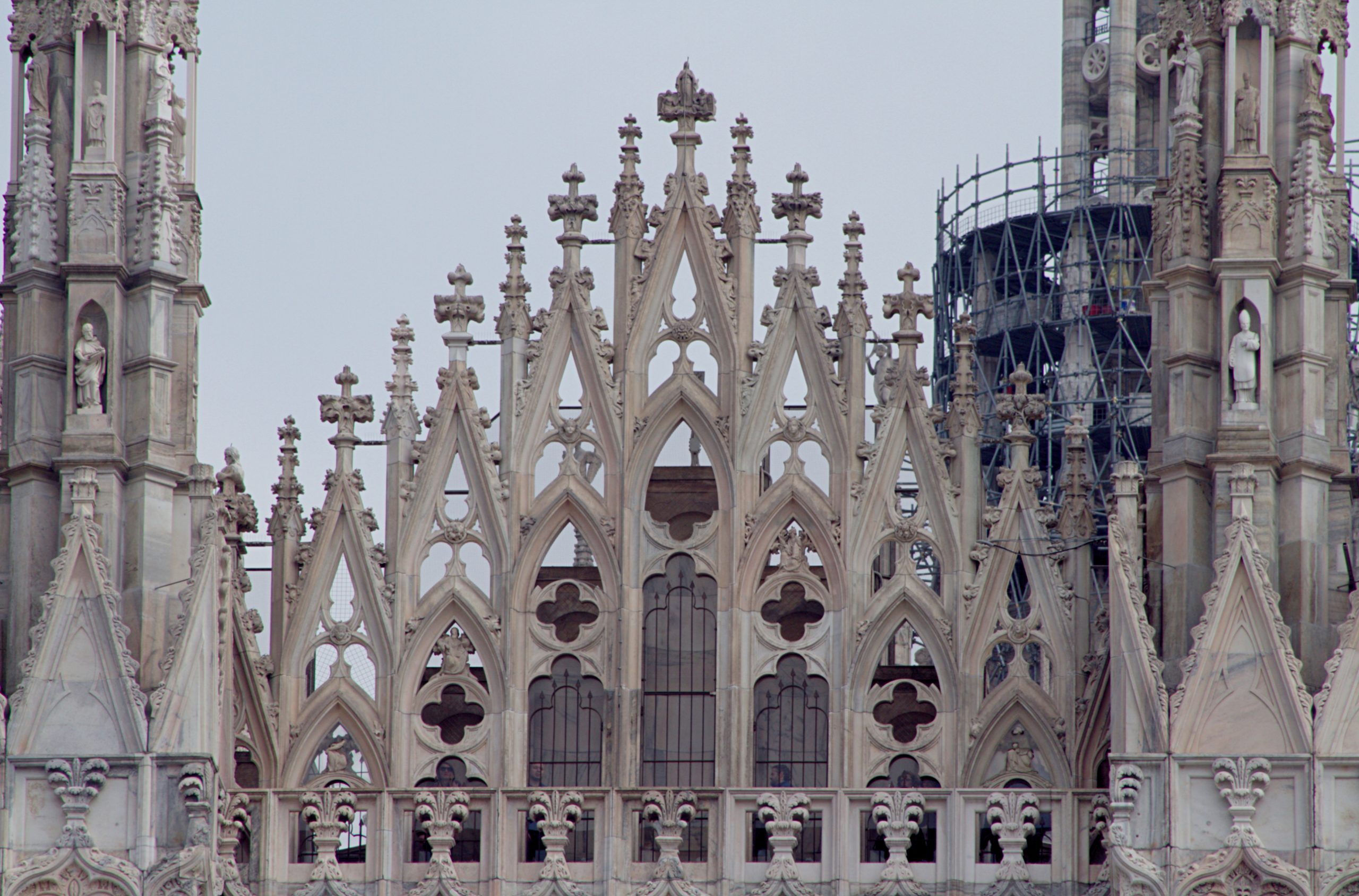
The Milan Cathedral (Duomo di Milano) began in 1386 and reached formal completion in 1965 — nearly six centuries. It stands among the largest Gothic cathedrals on earth, a living monument to endurance and devotion. Generations of masons, sculptors, and craftsmen labored so that stone could touch heaven. This is the heart of our focus: Milan Cathedral Duomo di Milano history.


Building an Empire in Marble
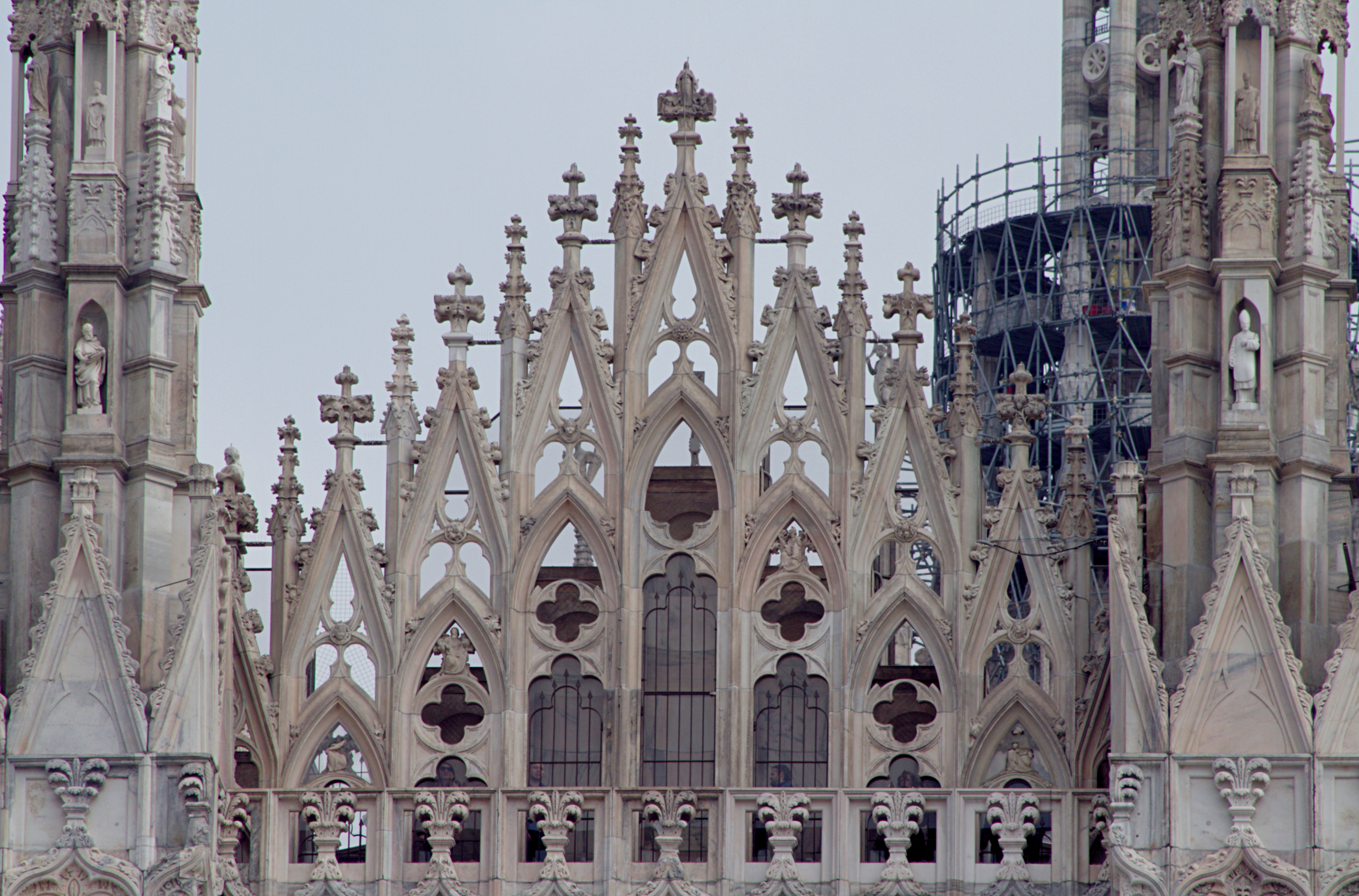
Marble came from the Candoglia quarries, ferried on Navigli barges marked A.U.F. — Ad Usum Fabricae, “for the work of the Cathedral,” exempting the stone from tolls. The rose-tinted marble gives the façade its living glow, shifting with the Lombard light. Craft met logistics — a Renaissance supply chain powering a medieval dream.

The Hands of Generations
Through wars, plagues, and changing rulers, work continued. Architects and masters — from Simone da Orsenigo to Carlo Amati — added visions without betraying the whole. In the 19th century, Napoleon pushed the façade toward completion in time for his Milan coronation. The interior remains a forest of stone — colossal piers, stained glass, and a nave that swallows noise into silence.


Life Beneath the Spires
As the cathedral rose, Milan thrived below. Many European cities already had running water systems and fountains; Milan’s Navigli canals moved marble, grain, and people. Faith above, engineering below — that fusion of beauty and utility is the Milanese way.


The Soul of Milan
By the 20th century the last spires were set, crowning the cathedral with the gilded Madonnina. With 135 spires and thousands of statues, the Duomo became more than a church — it is Milan’s identity in stone: patient, devoted, and unbreakably Italian.

