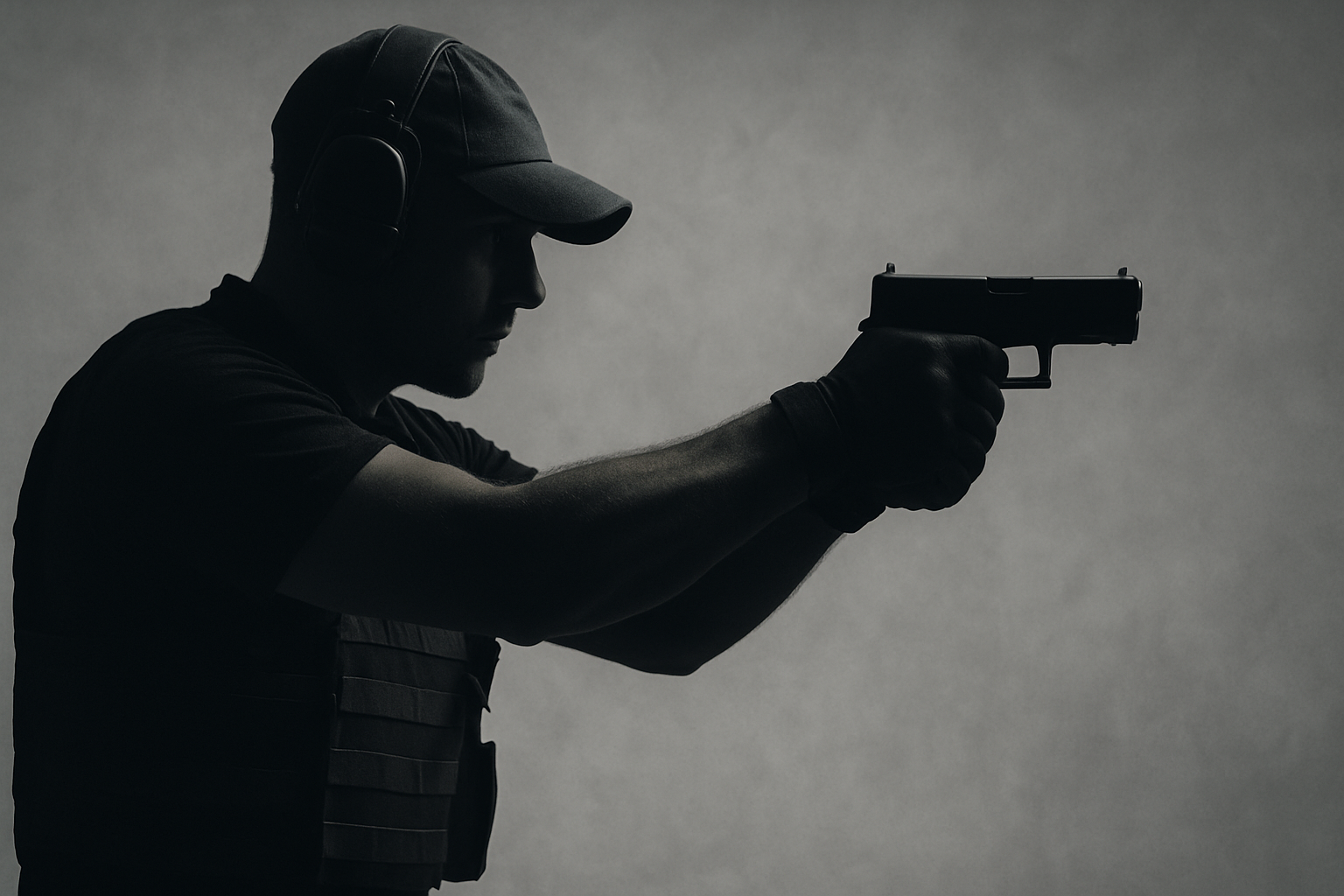
Civilization survives because some men refuse to look away when danger approaches. — Emil Vicale
The Guardian Mindset isn’t about paranoia — it’s about responsibility. It means knowing how to protect yourself, your family, and the people who rely on you when law, luck, and comfort fail. It involves mastering the dark arts of self-defense, situational awareness, survival skills, negotiation under pressure, social engineering defense, operational security, strategic thinking, and controlled aggression, enabling you to see danger early, act when needed, and keep those who can’t fight out of harm’s way.
Here are some interesting skills to master and books to read on the subject.
Self-Defense & Situational Awareness
Self-defense starts long before fists fly. Criminals target distracted, unaware individuals, rather than those scanning exits and making eye contact. Situational awareness involves noticing unusual behavior, spotting danger early, and knowing how to respond quickly. Training combines awareness with practical skills — striking, grappling, even weapons safety — so you’re prepared before trouble starts, not after.
Book: When Violence Is the Answer – Tim Larkin
Escape & Evasion Tactics
Riots, active shooters, street crime — survival often comes down to getting out fast. Escape and evasion skills teach you how to read crowds, avoid choke points, find exits, and break free if grabbed. Professionals plan their routes before things go wrong; amateurs react too late. The goal isn’t to fight — it’s to vanish before danger closes in.
Book: Escape the Wolf – Clinton Emerson
Survival Training
People romanticize survival, but the truth is brutal: most die from exposure, dehydration, or injury, not wild animals. Survival training focuses on core skills — first aid, navigation, fire, shelter, water — the basics that keep you alive when gear breaks or rescue is delayed. Knowledge weighs nothing, and it’s the only gear you can’t lose.
Book: 98.6 Degrees – Cody Lundin
Persuasion Under Pressure
High-stakes situations — a hostage crisis, a business deal, a screaming confrontation — hinge on words, not weapons. Persuasion under pressure means staying calm, defusing emotion, and guiding decisions when others lose control. FBI negotiators master tone, timing, and language patterns to shift power without threats or panic. The same skills work in boardrooms and breakups alike.
Book: Never Split the Difference – Chris Voss
Reading Intentions
Predators, liars, and manipulators always leak signals — nervous tics, microexpressions, changes in speech or posture. Most people miss them because they don’t know what to look for. Reading intentions train you to decode these cues in real time, enabling you to spot threats, lies, or hidden motives before they hit. It involves pattern recognition of human behavior.
Book: What Every BODY Is Saying – Joe Navarro
Reverse Manipulation
Most people lose power games because they don’t realize they’re in one. Reverse manipulation teaches you to recognize emotional leverage, framing tricks, and guilt tactics — then turn them back on the attacker. It’s not about becoming ruthless; it’s about refusing to be a pawn in someone else’s playbook.
Book: The 48 Laws of Power – Robert Greene
Social Engineering Awareness
Social engineering is the art of hacking people instead of computers. Attackers exploit trust through phishing emails, fake calls, or “urgent” messages designed to make you click before you think. The goal: get you to hand over passwords, money, or intel willingly. Learning the red flags — urgency, authority tone, timing — closes the door on cons before they start.
Operational Security (OPSEC)
OPSEC stands for protecting your information, habits, and routines to prevent attackers from building a profile on you. Posting vacation pics tells burglars your house is empty; using the same password for everything invites disaster. Digital privacy, encrypted tools, and limiting what strangers learn about your life make you hard to target.
Grey Man Tactics
The Grey Man blends in, draws no attention, and moves through danger unnoticed. In chaotic environments, the loudest or flashiest person becomes a target. The Grey Man looks average, stays unremarkable, and walks away while everyone else stares at the drama. Invisible beats invincible when survival’s on the line.
Book: Left of Bang – Patrick Van Horne
Game Theory Mindset
Life is strategy whether you admit it or not. Game theory teaches you to think several moves ahead, anticipate reactions, and make decisions that account for other people’s incentives. From politics to poker to business, the winner isn’t the smartest — it’s the one who plans like a chess player, not a gambler.
Book: The Art of Strategy – Avinash Dixit
Pre-Knowledge Advantage
Intel wins fights before they start. Knowing motives, relationships, and weaknesses lets you control outcomes without rushing in blind. From corporate espionage to battlefield tactics, research and reconnaissance turn chaos into predictable patterns you can exploit.
Book: Spy the Lie — Houston, Floyd, Carnicero (practical deception-spotting you can use today)
Controlled Aggression
Some problems require diplomacy; others need decisive force. Controlled aggression means hitting hard at the right time, for the right reason, then stopping before it spirals. It’s discipline, not rage — violence as a last resort, delivered with precision, not panic.